5 Basic Steps To Implement The Technology Acceptance Model Of Usefulness In Your Development Organization
As engineering leaders, we all struggle to find the balance between creating cool technology and useable technology. Let’s be real. We all want to create cool things. It’s in our nature. But what’s…

That’s where the concept of “usefulness” comes in. that was recently discussed with Sentry CTO, Ron Reiter, on the podcast, The Production-First Mindset. Ron spoke about the importance of usefulness in a production environment and how they implement it at Sentry. The more we spoke about it, the more I realized that this concept is one that truly resonates with our R&D team — and goals — here at Rookout.
What Is Usefulness?
As the name suggests, it’s creating a useful product. Taking it a step further and into developer terms, it refers to the idea that the goal of R&D organizations is to create something valuable and beneficial to the end users and customers. Additionally, it is one of the main dimensions contributing to a product’s usability.
Fred Davis’s Technology Acceptance Model speaks about this concept. Specifically, it focuses on perceived ease of use and perceived usefulness, specifically the usefulness of technology. It states that “…defined perceived usefulness as the…probability that the technology used will improve the individual or team’s performance from an organizational perspective. The operators’ personal opinion of whether employing a given technology would improve performance reflects perceived usefulness”.
However, ensuring you have a useful product isn’t enough if you’re not focused on keeping your production environment running smoothly and ensuring the quality and functionality of your product.
Bringing It To Production
As a company that’s built a product focused around empowering developers to work in their production environments, specifically when it comes to accessing code-level data from running code, it’s no surprise that this is a focal point for achieving usefulness. It’s important for a multitude of reasons.
For starters, implementing the concept of usefulness ensures that the final product is high quality. When you have visibility into production, you can ensure that your application or product is thoroughly tested, debugged, and optimized to meet the needs of your users. This reduces the risk of errors, crashes, and other issues that can negatively impact the user experience.
Another reason is that working in your production environments in real-time allows you to quickly identify and fix issues that arise in production. When you have a good understanding of how your application is behaving in the wild, you can quickly pinpoint and resolve problems that arise.
Last but not least, and possibly the most important point, is that by being able to work in production, you can ensure that your product is useful and valuable to its users. With production-level capabilities, you can make sure that your application or product aligns with the needs and goals of your customers and that it is delivering real value to the people using it.
Measuring Usefulness In Your Organization
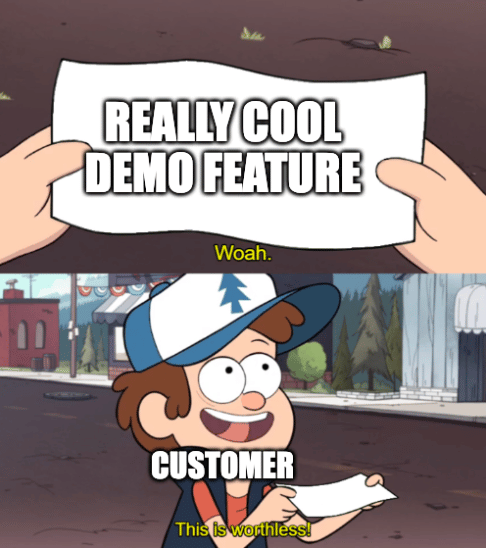
Now, you might think, “that sounds obvious.” While yes, it does, I promise some concrete advice here: mainly on ensuring that you apply this concept to your R&D team and tech map for the future. Let’s dive in:
Give It A Go
By focusing on usefulness and implementing effective development management strategies, we can ensure that our work not only meets technical requirements but also delivers value to our users and customers. At Rookout, we believe that being able to work in production is essential to delivering a high-quality — and useful! — debugging product. We strive to empower dev teams to achieve this through our Developer-First Observability offerings.
Originally published on Rookout’s blog on February 23, 2023, when I was Rookout’s VP R&D.
This essay first appeared on Medium — read & clap for the original →